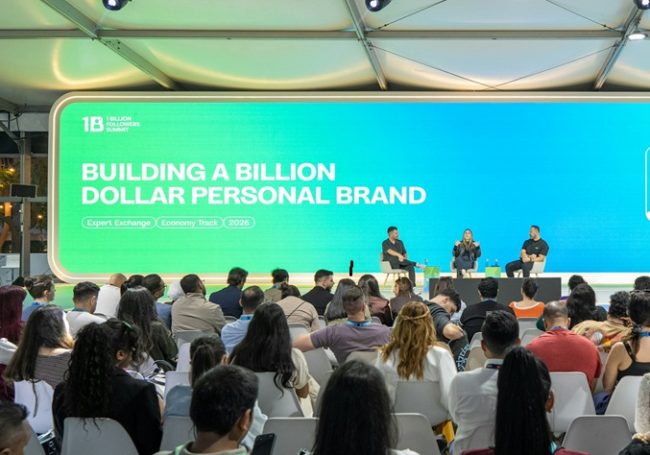
An old friend, who is a mentor in a programme for young ladies with the potential to become the next generation of leaders, recently asked me for a favour.
He felt that his mentee, who has great potential, needed personal branding. I wrote this piece after meeting with her.
Branding is the practice of giving a specific entity or item its own unique identity, personality and look to make it stand out from competitors.
Corporate branding focuses on the overall company, its values and its general reputation, while product branding focuses on a single item, service, or line of products or services. It highlights what that specific item does and how it feels to the user.
But did you know that there is such a thing as personal branding? And that public relations (PR) plays a vital role in it?
I describe personal branding simply as what people say about you behind your back. That’s what they really think of you; that’s your personal brand. You’ve created it either consciously or unconsciously. But it’s better to own your narrative; consciously create it, develop it and nurture it.
Creating your own personal brand helps you clearly communicate your unique value and shape how others perceive your professional and personal identity. In today’s world, it’s not only the domain of politicians, top business leaders and influencers; it also applies to any individual who cares about the image they project, the message they send and their ‘vibe’.
We see numerous training programmes for young professionals to teach them how to dress, maintain proper posture, observe dining etiquette, etc. This is all well and good, but from a PR standpoint, it’s superficial. It’s just the window dressing.
Personal branding is so much more than how you look and carry yourself in public. It’s more than hair and makeup, dress sense, grooming and deportment, body language, etiquette, articulation and elocution. It’s the whole package, both inside and out. It’s who you are at your very core and what you stand for.
It means knowing what kind of person you are, what matters to you, and what rules or values guide your life. It’s your principles, morals, or causes you believe in, support and defend.
When you walk into a meeting or discussion, what do people expect you to say about the issue at hand? When a tough decision needs to be made, people know where you stand on the topic even before you speak. That’s your personal brand at work.
In today’s highly competitive world, in order to get noticed and get ahead, there’s a need to start personal branding from a young age so that by the time you hit the job market, you have an opinion on topics and issues of the day.
Building a solid personal brand is very much about strength of character and substance. It’s about your temperament, your communication style, how you give feedback, and how you motivate your team and colleagues.
Are you punctual? Are you a team player? Do you defend your subordinates or throw them under the bus when something goes wrong? Can you take a joke? All these also make up your personal brand.
So why is personal branding important, you may ask?
First and foremost, it will help you stand out in the crowded talent market. Qualifications often overlap, so a clear point of differentiation helps you get noticed in job searches, promotions, or even client pitches.
It also builds trust and credibility. Consistent values, reliable actions, and shared expertise make people more likely to trust you than generic messaging. It also attracts aligned opportunities. Being known for specific strengths draws roles, partnerships, clients, and projects that fit your goals.
Personal branding strengthens your network because a clear identity makes it easier for colleagues, peers, and leaders to remember you and refer you when relevant needs come up.
In addition, having a personal brand future-proofs your career. A strong reputation stays with you across job changes, industry shifts, or entrepreneurial pivots.
To summarise, personal branding is the intentional practice of shaping and communicating your unique value, skills, personality, and reputation so others clearly understand what you stand for. It is how you show up in person and online – through your work, words, and actions.
Having trained scores of corporate spokespersons for over two decades, I can tell you that personal branding is definitely a thing; it gets you noticed and opens doors. Large companies, particularly consumer products and the FMCG industries, invest a great deal in branding. What’s your next step?
The views expressed here are the personal opinion of the writer and do not represent those of Twentytwo13.