KUALA LUMPUR: As artificial intelligence reshapes business process services (BPS), employers face a challenge beyond finding people with the right skills: preparing the next generation for evolving jobs and roles that have yet to emerge.
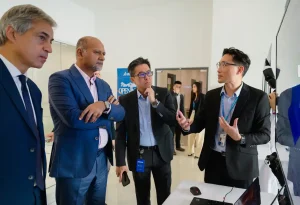
Daythree Digital Berhad is taking a more active role in talent development through its collaboration with Brickfields Asia College (BAC), bringing industry and education closer together as employers increasingly need people who can work alongside AI, adapt to changing processes and solve problems beyond routine tasks.
Daythree is among the 31 founding partners of BAC’s Preferred Employer Partnership Programme (PEPP), which aims to help students develop the skills, experience and industry connections needed to navigate a changing world of work.
The partnership gives students greater access to industry exposure, practical learning and professional guidance, helping them develop the capabilities and confidence needed to enter the workforce.
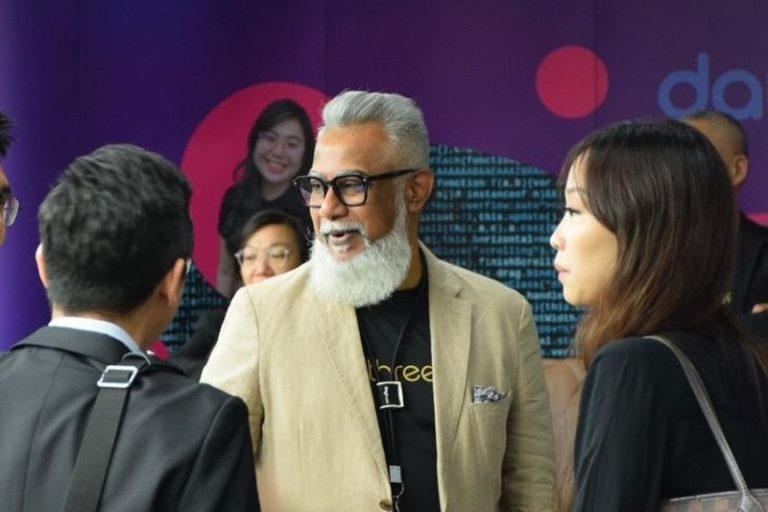
“Daythree is collaborating with Brickfields Asia College as we believe in building talent before recruitment, not simply creating a graduate funnel,” said Daythree founder and group managing director Datuk Raymond Davadass.
“The future of BPS requires people who are comfortable working with AI and automation, while still bringing judgement, creativity, communication and empathy to the work. Graduates need to be comfortable with change and willing to keep learning as technology, customer expectations and business needs evolve.
“This is where stronger industry exposure can make a difference. Daythree can create more opportunities for BAC students to engage directly with our Rockstars through internships, mentoring, industry projects, masterclasses and knowledge-sharing sessions. It is not only about hiring future-ready talent but also helping to build it.”
PEPP gives Daythree earlier access to students and graduates across multiple disciplines, while opening up opportunities for internships, graduate recruitment and industry-relevant skills development. The programme also facilitates engagement through career fairs, industry talks, mentorship and collaborative projects, including initiatives focused on AI and future workforce readiness.
Daythree has evolved from telemarketing and contact centre services towards digital-first BPS, AI capabilities and business transformation. Its continued growth depends not only on technology but also on developing people who can use it effectively.
As more transactional work becomes automated, the skills required in BPS are changing. Digital fluency, data literacy, problem-solving, adaptability and communication are becoming increasingly important alongside operational knowledge.
Employers cannot develop these capabilities alone after graduates enter the workforce. Educational institutions also need greater insight into business operations, emerging technologies and the problems organisations are trying to solve.
“The pace of technological change means universities cannot carry the responsibility alone,” said Raymond.
“Employers know what is changing inside actual operations. They need to bring that knowledge into education earlier. Students need exposure to real problems, workflows and business environments, not simply a list of technical tools.
“Collaboration can include internships, mentorships, industry projects, curriculum input, masterclasses, work-based learning and direct exposure to practitioners.”
For Daythree, the partnership reflects a broader aim to make talent development a shared responsibility between industry and education, rather than treating academic partnerships simply as a source of future hires.
By exposing students to real business processes and how technology is changing them, the company hopes to bridge the gap between academic learning and workplace expectations. The aim is not merely to introduce students to particular AI tools, but to develop their judgement, adaptability and problem-solving abilities so they can apply technology meaningfully in a business environment.
These changing skills requirements also have implications for Malaysia’s position in the regional BPS industry, which is moving beyond a model traditionally defined by labour availability, process discipline and cost efficiency.
AI can automate repetitive tasks, improve access to information and support more consistent execution. However, organisations still need people who can interpret complex situations, understand customer needs, exercise judgement and identify opportunities to improve the way work is done.
“Malaysia’s traditional advantages in cost competitiveness, multilingual talent, service quality and infrastructure remain important, but the basis of competition is widening,” Raymond said.
“As more transactional work becomes automated, where the work is performed matters less than the capabilities, expertise and business value a market can provide.
“Malaysia therefore needs to compete on domain knowledge, AI and data capability, process transformation, technology integration and the ability to manage more complex regional operations.”
He added that the challenge was no longer simply producing enough graduates, but ensuring the country could continuously move its existing workforce into higher-value roles as the nature of work changed.
“This is where stronger industry-academia collaboration, clearer career pathways and regional talent development become important,” he said.
“The opportunity is to move from being viewed primarily as a delivery location to becoming a market where higher-value work can be designed, managed and improved.”
For Daythree, workforce development extends beyond recruitment and initial training. Graduates need to be prepared to learn continuously and work with emerging technologies, while existing employees need opportunities to develop new skills and take on more complex responsibilities as their roles evolve.
Internal initiatives such as Daythree’s Learning Circle programme and Rockstar Academy support this effort by linking learning with practical application and opportunities to take on new responsibilities.
“For us, future-ready talent is not about predicting exactly what job somebody will be doing five years from now. It is about building people who can keep learning as that job changes.”
As AI continues to reshape BPS, closer collaboration between employers and educational institutions will be essential to preparing workers for changing roles and higher-value opportunities. For Daythree, building a future-ready workforce begins before recruitment and continues throughout an employee’s career.