
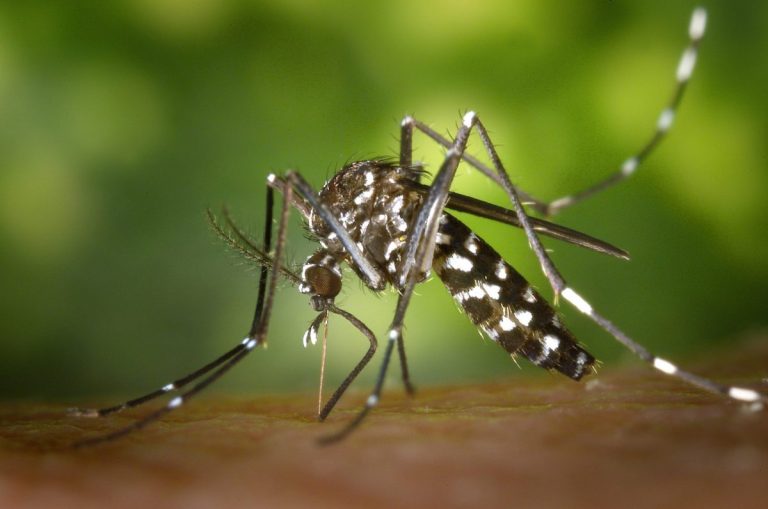
PETALING JAYA: Dr Koh Kar Chai, Public Education and Advocacy Lead of Dengue Prevention Advocacy Malaysia (DPAM), says the emergence of DENV-3 as the dominant circulating dengue strain is a significant development, as most Malaysians have had limited exposure to it.
As of July 23, the Health Ministry recorded 48,647dengue cases nationwide, a 49.9 per cent increase compared with the same period last year. Dengue-related deaths also rose sharply by 89,47 per cent, from 19 to 36.
“DENV-3 is currently the dominant dengue strain in the country, unlike previous years when DENV-1 and DENV-2 were the more common circulating serotypes,” Dr Koh told Twentytwo13.
“It is significant because most people have not been exposed to this strain before, which could lead to a sharp increase in dengue infections.”
Although DENV-3 is not inherently more infectious than the other dengue serotypes, Dr Koh said the shift raises public health concerns because many Malaysians previously infected with DENV-1 or DENV-2 remain susceptible to DENV-3.
“People who were previously infected with either DENV-1 or DENV-2 remain susceptible to DENV-3. If they contract a secondary infection, they are at greater risk of developing severe dengue due to what we call antibody-dependent enhancement,” he said.
“Many people are unaware that there are four dengue serotypes, meaning a person can contract dengue up to four times in their lifetime.
“There is a common misconception that a person who has had dengue once is immune for life. This belief must be dispelled, as a subsequent infection with a different serotype carries a higher risk of severe dengue.”
The Health Ministry attributed the rise in cases to several factors, including dengue’s cyclical transmission pattern, favourable weather conditions, rapid urbanisation, persistent mosquito breeding sites and the emergence of DENV-3 as the dominant circulating serotype.
The Klang Valley continues to bear the greatest burden of infections, with Selangor recording more than 19,300 cases, followed by Kuala Lumpur and Putrajaya with almost 8,000. Higher case numbers have also been reported in Johor, Sabah, Negeri Sembilan, Perak, Sarawak, Perlis, Terengganu and Labuan.
Dr Koh said the emergence of DENV-3 does not fundamentally change existing dengue prevention strategies, but should serve as a timely reminder for Malaysians to strengthen preventive efforts.
“The core messages of current dengue prevention campaigns remain the same, but the emergence of DENV-3 should serve as an impetus to intensify these campaigns and alert the public that we may face an increase in severe dengue cases,” he said.
The Health Ministry likewise stressed that although the outbreak follows Malaysia’s familiar cyclical pattern, all stakeholders must remain vigilant.
The ministry continues to strengthen surveillance, vector control, community engagement and predictive monitoring using climate and geospatial data to identify high-risk areas.
Children remain among the groups most vulnerable to severe dengue, particularly if they have previously been infected with a different serotype.
“Children are definitely at greater risk of severe dengue if infected with DENV-3, especially if they have had a previous dengue infection,” Dr Koh said.
“But this risk is not directly related to DENV-3 itself. Rather, it is because they have previously been infected with a different dengue strain.
“Parents are advised to seek medical attention promptly if their child develops a high fever to ensure a proper diagnosis and avoid possible dengue-related complications.”
He urged the public to watch for warning signs of severe dengue, including persistent vomiting, severe abdominal pain, bleeding, extreme lethargy, rapid breathing and restlessness, all of which require immediate medical attention.
Despite the sharp increase in cases and deaths, Dr Koh said the focus should remain on prevention rather than fear.
“There are various factors driving the increase in both infections and mortality,” he said.
“The public should recognise that dengue is an endemic disease that can be fatal, and actively adopt the preventive measures promoted through various dengue awareness campaigns, including vaccination.”
The Health Ministry has urged Malaysians to conduct weekly inspections to eliminate stagnant water, participate in community clean-up activities and seek prompt medical treatment if dengue symptoms develop.
The ministry stressed that sustained public participation remains one of the country’s strongest defences against the disease.


