
KUALA LUMPUR: GovTech Malaysia has established a phased implementation roadmap, focusing on visible short-term outcomes while preparing for wider expansion through 2030.
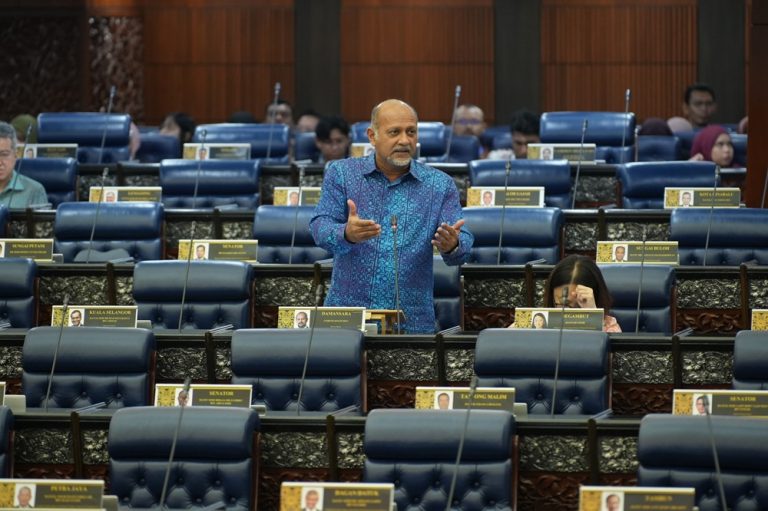
Responding to Bentong MP Young Syefura Othman’s questions on its future plans in the Dewan Rakyat, Digital Minister Gobind Singh Deo said GovTech Malaysia aimed to shift from agency-centric services to more integrated, proactive and citizen-centric delivery between 2028 and 2030.
“This signifies that whenever a major life event occurs – such as childbirth, starting school, entering employment, running a business, through to retirement – the relevant services can be rendered in a highly coordinated fashion without requiring citizens to interact with multiple agencies separately,” Gobind said.
“Consequently, the objective of GovTech Malaysia goes beyond merely digitising existing processes. It is about redesigning the fundamental way the government delivers services.
“The metric of success lies in citizens completing government transactions with fewer steps, fewer documents, shorter waiting times, and without needing to know which specific agency is rendering the service.”
Gobind said one of GovTech Malaysia’s key achievements was the development of MyGOV Malaysia as the government’s digital service gateway, using MyDigital ID for single sign-on (SSO).
As of Oct 8, MyGOV Malaysia had recorded 3,199,120 downloads and 3,014,096 active users, with 62 services from 22 public sector agencies integrated into the platform.
“Through this application, members of the public can check and pay summonses, apply for MyKad replacements, check price items, travel information and licenses, manage health appointments, and check examination results as well as Unclaimed Monies. These conveniences save time and costs, while reducing the need for physical visits to service counters,” Gobind said.
GovTech Malaysia is also developing shared digital solutions for government, including TanyaKerajaan, an artificial intelligence-based information and assistance service.
“Among the services to be integrated are MyPersona for more personalised services, and MyAppointment for appointment management. This approach is vital to reduce the standalone and duplicate development of systems across individual agencies, thereby optimising government expenditure and resources,” Gobind said.
Until the end of this year, GovTech Malaysia plans to increase the number of services integrated into MyGOV Malaysia, expand the adoption of shared digital platforms and introduce practical AI applications in government operations.
“This includes the implementation of Agenda AI, an Agentic AI-powered meeting management system that automates processes ranging from recording and transcription to the preparation of minutes and tracking follow-up actions,” he said.
From 2027, GovTech Malaysia will expand its approach from developing individual applications to building a government digital platform ecosystem that can be reused across ministries and agencies.
Its priorities include:
a) expanding the integration of life-event-based services so the public no longer needs to understand ministerial structures or navigate multiple systems to access services;
b) expanding the use of shared government platforms to minimise system duplication and optimise resources;
c) strengthening cross-agency data sharing and interoperability based on the principles of “once-only” and “single source of truth”, eliminating the need for citizens to resubmit the same information to the government;
d) expanding the responsible deployment of AI and Agentic AI, including workflow automation and a government AI agent ecosystem to improve civil service productivity and speed up service delivery; and
e) strengthening cybersecurity, privacy, data governance and public sector digital talent development to support the expansion of digital government services.


