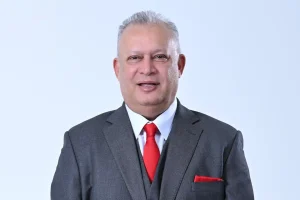
In the second of a series of articles, Twentytwo13 shares excerpts from Stories of the Seas, written by former MISC (formerly Malaysia International Shipping Corporation) officers and engineers. This week, Desmond Teh recounts a powerful lesson in humanity and compassion while serving aboard the S.S. Tenaga Satu.
I had the privilege of serving aboard the S.S. Tenaga Satu, a Liquefied Natural Gas (LNG) tanker, as an engineering cadet in 1985, navigating the route from Bintulu to Japan.
The Tenaga Satu, built in 1982 at Chantiers de l’Atlantique in France, was a technological marvel of its time. Renowned for its advanced engineering and precision craftsmanship, the ship incorporated state-of-the-art systems for the safe handling and transport of LNG, one of the most volatile and demanding cargoes at sea.
On board, the accommodations rivalled those of a five-star hotel, blending disciplined professionalism with constant vigilance.

Teh (far right) and his colleagues from MISC.
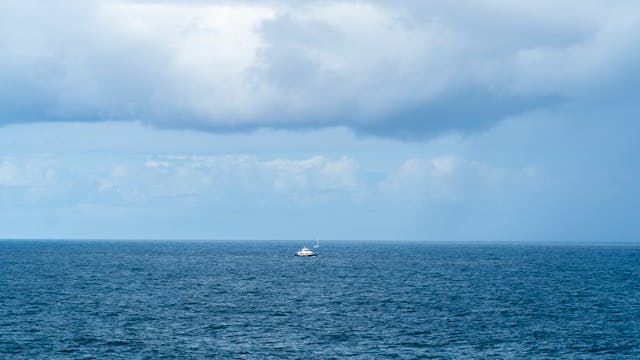
One Sunday afternoon, somewhere in the middle of the South China Sea, our radar picked up a faint, unusual signal – a small, slow-moving object in the vast expanse of open water.
Initially, it seemed insignificant. But as we drew closer, the crew spotted a small, weather-beaten wooden boat drifting aimlessly. Through their binoculars, the deck officers could make out frail figures waving frantically for help.
The bridge crew immediately alerted Captain Tigar, who promptly convened an emergency meeting with the senior officers.
After careful deliberation, they unanimously agreed to stop the vessel and carry out the rescue. I was part of the small team assigned to assist.
As we approached, the scene became heartbreakingly clear. The boat was heavily damaged, half-submerged, and dangerously overloaded with people, including elderly passengers, women, children and infants.
When we finally reached them, the full gravity of their plight hit me. They were Vietnamese refugees, adrift for days with almost no food, water, or protection from the scorching sun and unforgiving sea.
Their small hands clung to the sides of the leaking boat as though it were their only lifeline. One large wave or sudden gust of wind could easily have capsized the fragile vessel, plunging everyone into the merciless waters.
We helped lift them, one by one, onto our lifeboat, their trembling hands gripping ours tightly, afraid to let go.
Back aboard the Tenaga Satu, the entire crew sprang into action, providing blankets, food and medical attention. I will never forget the sight of those weary faces gradually regaining colour, or the profound gratitude reflected in their eyes.
That day remains etched in my memory – a powerful reminder that even amid the immense scale of global trade and cutting-edge technology, it is our shared humanity that truly defines us.
This is an excerpt from Humanity at sea by chief engineer Desmond Teh. It is part of a collection of short stories by former MISC (formerly Malaysia International Shipping Corporation) officers and engineers from SOS (Stories of the Seas). It can be bought here.
The views expressed here are the personal opinion of the writer and do not necessarily represent that of Twentytwo13.