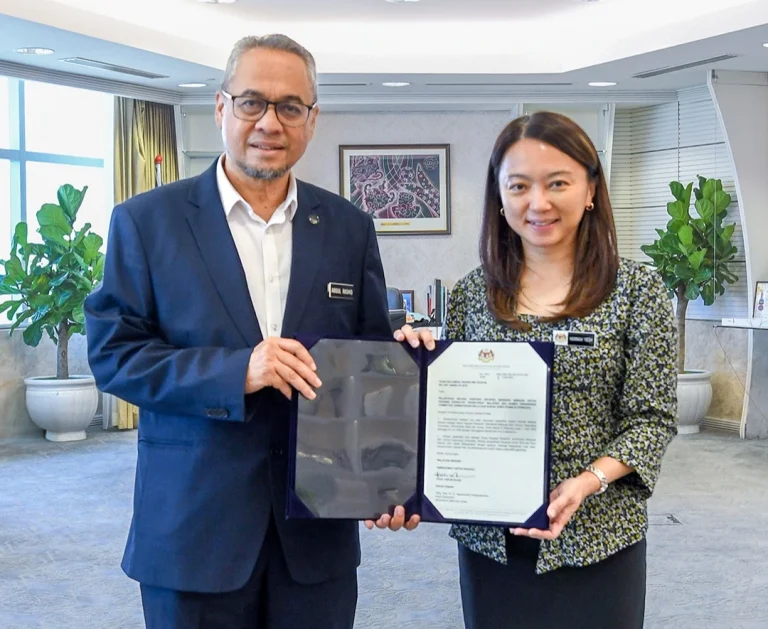
On July 1, Abdul Rashid Yaakub (main image, left) was appointed chief executive officer of the Malaysian 2027 SEA Games Organising Secretariat (Masoc) and the 2027 Asean Para Games.
Details of the secretariat remain scarce. Still, as the saying goes, better late than never.
Industry players feel the announcement came just in time, as Malaysia is fast running out of preparation months. When the nation hosted the Games in 2017, the secretariat was formed some 30 months earlier.
Assuming the 2027 edition takes place in August, the new team will have less than 30 months to get everything in order.
This is significant because securing sponsors will be far from easy. The Games will be spread across multiple locations – the Klang Valley, Penang, Johor and Sarawak.
Sarawak, for instance, may line up its own sponsors. It is possible to see Petronas and Petros sharing the same stage, or Affin Bank – in which the Sarawak government is a major shareholder – working alongside another bank. This is not unprecedented, but persuading sponsors to share the spotlight in the name of national and state interests will be no small feat.
Hosting events across several states will also push costs higher than if everything were centred in one city.
In 2001 and 2017, the Games were largely confined to Kuala Lumpur, with little excitement beyond the Klang Valley. Many argued that this approach missed the chance to spread economic benefits, insisting future editions should be more inclusive. Yet there is little publicly available data on the spending and returns from hosting such events.
Similar questions arose when Malaysia considered stepping in to host the 2026 Commonwealth Games. Despite the Commonwealth Games Federation offering £100 million in support, the government could not provide a convincing case to the public.
In declining the offer, the Youth and Sports Ministry stated then that “the economic impact cannot be accurately identified within the short period of time available.”
Despite Malaysia’s long history of hosting major sports events, little effort has been made to properly evaluate costs against economic and sporting benefits. The 1998 Commonwealth Games remain the benchmark, thanks to infrastructure that still serves the country and the Jaya ’98 programme, which produced athletes who excelled at the Asian Games, Commonwealth Games and Olympics.
Abdul Rashid, the former National Sports Council director-general, and his team must also balance the interests of the federal government and those of the state governments. A possible general election before 2027 could complicate matters further. Whatever happens, the show must go on, and plans must stay on track despite any change in government.
As the 61-year-old builds his core team, Abdul Rashid must set firm timelines covering every stage – before, during, and after the Games – and ensure that all preparations are thoroughly documented. This record should serve as a reference, instead of relying on individuals who simply claim experience from past organising committees.
The aim should be to learn from previous mistakes rather than repeat them out of habit.
Done right, the 2027 SEA Games can inspire national pride, promote unity, and encourage a healthier lifestyle – all essential to building a sporting nation.
It must not become just another event forgotten as soon as the closing ceremony ends. To paraphrase a line from Malaysia’s rock queen Ella’s song ‘Standing in the Eyes of the World’ that defined the 1998 Commonwealth Games, “We should continue standing in the eyes of the world”.
Main image: Facebook/Hannah Yeoh