Journalists face a host of challenges daily. From high-pressure newsrooms to meeting tight deadlines, journalism is often labelled a thankless profession.
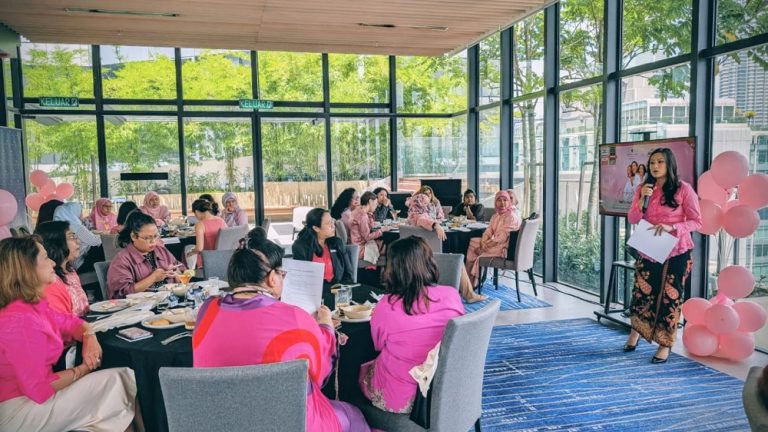
As such, it was a meaningful pause for women in the profession when Prince Court Medical Centre Kuala Lumpur invited them to a luncheon recently to acknowledge and appreciate the role of the media in raising awareness of breast cancer and the importance of early detection.
Acknowledging that journalists often dedicate their time to informing others at the expense of their own health, Prince Court chief executive officer Dr Shuba Srinivasan said the organisation was eager to do something meaningful for the media this Pink October.
“The media has the ability to reach both urban and rural communities, and their stories can drive action, encourage early screening, and ultimately save lives. We deeply value this partnership with the media in ensuring communities receive trusted, life-saving information,” said Dr Shuba.
For the uninitiated, Breast Cancer Awareness Month is celebrated every October. Besides creating awareness, it is also a time to honour the millions of lives affected by breast cancer.
Breast cancer is the most common form of cancer affecting women in Malaysia. One in 19 Malaysian women are at risk, compared to one in eight in Europe and the United States. Although early detection can significantly improve survival rates, more than half of breast cancer cases in Malaysia are still detected at late stages.
Health Ministry data indicates that 50.5 per cent of cases in Malaysia are diagnosed at stages three and four.
Prince Court breast surgeon Dr Harjit Kaur emphasised the importance of early detection and said timely intervention can save lives.
“Genetic testing can be a vital first step for those with a family history of breast cancer,” said Dr Harjit. “Knowing your risk allows you to make informed decisions and take preventive action rather than waiting until it’s too late.”
Another breast surgeon, Dr Melissa Tan, said there was also a need to debunk common myths surrounding breast cancer.
“In this day and age of social media and fake news, there is a lot of misinformation about breast cancer that can delay diagnosis and treatment,” said Dr Tan.
“The media plays a vital role in addressing myths with evidence-based facts to ensure the public receives accurate, trusted information that empowers them to take charge of their health.”
Among the common myths, she said, include linking breast cancer to the use of deodorant or underwire bras. There are also those who assume that having large breasts increases the risk of breast cancer.
During the luncheon, Mahani Kassim, president of Pink Unity – a breast cancer support group under the National Cancer Society of Malaysia – also shared her cancer journey.
Having suffered hair loss during chemotherapy and having to manage her emotions and those of her children during treatment, Mahani said the community, including the media, played a crucial role in helping women through their cancer journey.
“The media and the community play an important role not just in spreading awareness about cancer, but also in providing emotional support throughout recovery,” she said.
“We cannot just tell people that we have cancer and expect them to understand us. No one goes through the same journey. We must communicate with each other to find out what we are facing.”