Across the globe, humanity is plagued by immense suffering.
Some of it is natural, caused by disasters such as floods and earthquakes. But a far greater portion of this misery is self-inflicted, the result of human actions, desires, and divisions.
These divisions are often driven by sentiments such as “I was here first”, “I am the majority”, or the belief that one must protect their interests at the expense of others.
Greed, jealousy, and possessiveness deepen these injustices, leading to exclusion, violence, and discrimination.
Despite remarkable advancements in technology and artificial intelligence, humanity’s intellect and compassion have not progressed in parallel.
Many people remain trapped by narrow, selfish interests – unable or unwilling to look beyond their immediate desires. Instead of being more thoughtful and objective, they remain disconnected from critical thinking and knowledge-based decision-making.
More troubling is how those in power exploit our emotions and instincts to serve their own agendas. These leaders do not promote critical thought. Instead, they manipulate our fears, biases, and desires to maintain control.
By doing so, they divide us, keeping us distracted while they pursue personal gain at society’s expense. This is not unique to any one country – it is a global phenomenon.
In Malaysia, as elsewhere, religion – which should be a force for unity – is frequently weaponised to stoke nationalism and racism, further entrenching division instead of promoting harmony. The result is a world full of conflict and hypocrisy.
We condemn injustices abroad, yet fail to confront the same divisions within our own borders. We speak out against racial and religious discrimination overseas but turn a blind eye to similar issues at home.
We crush the hopes and dreams of children from different backgrounds in order to protect our tribe’s interests, all while claiming to believe in God’s compassion and mercy. This hypocrisy undermines the very values we claim to uphold.
It is easy to point fingers at others while ignoring our role in sustaining unjust systems. Political leaders who publicly decry global injustices often perpetuate even greater ones in their own countries.
Their rhetoric, frequently wrapped in religious language, fosters discrimination, exclusion, and hatred – eroding the core values religion is meant to promote.
We are often consumed by the need to feel important before age renders us irrelevant. In our quest for recognition, we prioritise self-importance over the collective good.
This fear of being forgotten drives us to create identities that protect our egos but ultimately fuel division and suffering.
What the world needs now, more than ever, are leaders with the vision and courage to rise above these divisions.
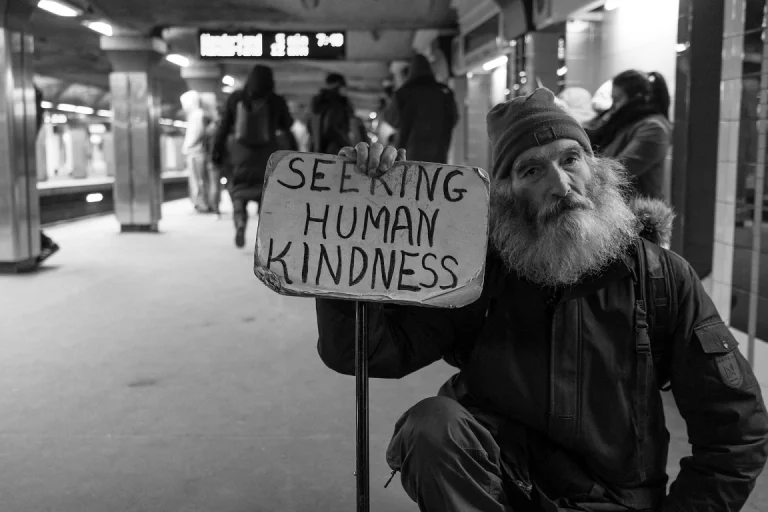
We need leaders who understand that our differences are not the problem – our failure to recognise our shared humanity is. We need leaders who will teach citizens to see one another as human beings first – people with similar hopes, fears, and desires.
Regardless of the circumstances we are born into, we all seek the same basic things: survival, happiness, and dignity. Yet, while leadership is important, true change must begin within each of us.
For those who profess to be God-fearing, compassion must be more than just words – it must be action. It is not enough to speak of God’s mercy; we must embody it in how we live.
Our words must translate into deeds that uplift the marginalised, care for the oppressed, and help build a more compassionate world.
The answer does not lie in building higher walls or forging ever more exclusive identities. It lies in those with means helping those without, and in our collective effort to increase happiness and reduce suffering. This is the core message of the Rapera Movement – to move away from divisive mindsets and work towards fostering empathy and understanding among all people.
In a world seemingly overwhelmed by conflict and division, it is easy to feel powerless. But lasting change begins with the individual.
We must take responsibility for our actions, challenge systems of oppression, and not only point out injustice – but work to dismantle it.
Now is the time for honest self-reflection. If we genuinely want to live in a more just and compassionate world, we must begin by seeing each other as equals. We must live with empathy, seek knowledge, reject divisive narratives, and commit ourselves to the collective good.
Only then can we reduce the misery that haunts our world – and replace it with peace, love, and compassion. These are the values that should be the birthright of all humanity.
The views expressed here are the personal opinion of the writer and do not necessarily represent that of Twentytwo13.