What if everything you did could live twice? Or three times? What if the lecture you gave, the email you wrote, the meal you cooked – what if none of it had to end the moment it was done?
This isn’t about multitasking. It’s about being intentional. About letting your actions echo. About building your day with second lives in mind – not to be more productive, but to find more meaning.
We’re taught to think of effort as linear: do the task, finish it, move on. Tick the box. File it away. Done. But what if that mindset – that single-use way of working – is what really steals our time?
The Roman philosopher Seneca wrote, “It is not that we have a short time to live, but that we waste much of it.” In modern life, waste doesn’t always look like idleness. Sometimes it’s good, honest work that ends with itself, when it could have gone further.
Let me share a simple change I’ve made as a lecturer. For years, I assigned essays and reports, like most educators. Then I started asking: Could this assignment have a second life? Could it be more than an academic exercise?
So I redesigned them. Now my students write opinion pieces on current issues. Not only do they submit them for grading, but we also select the best to share in newspapers, journals or on the university’s social media. One act – multiple ripples. The same energy they’d spend on a traditional essay now carries academic value, public visibility and, most importantly, confidence. The joy they feel seeing their names published is its own kind of reward.
This mindset isn’t just for educators. A baker recording the kneading of dough – suddenly it’s content, a lesson, a story. A runner tracking their morning mileage – it becomes discipline, reflection, maybe a chapter in a future book. A researcher showing the mess behind the scenes – that’s not just transparency; it builds trust.
None of this is about doing more. It’s about doing what you already do with your eyes open to its second (or third) life.
Let’s be clear: this isn’t hustle culture. I’m not suggesting you turn every hobby into a side business or every errand into content. I’m suggesting presence – not pressure. Awareness – not ambition.
There’s quiet satisfaction in letting your effort compound. In letting small, sincere acts leave echoes. Often, the obstacle isn’t time. It’s our single-use mindset.
We say we’re too busy. And yes, we are. But maybe what we really are is under-leveraged. We work hard, but the impact stops short. We create, but don’t always share. We finish, but don’t always compound. What if, as a habit, we asked: Is there a second life in this?
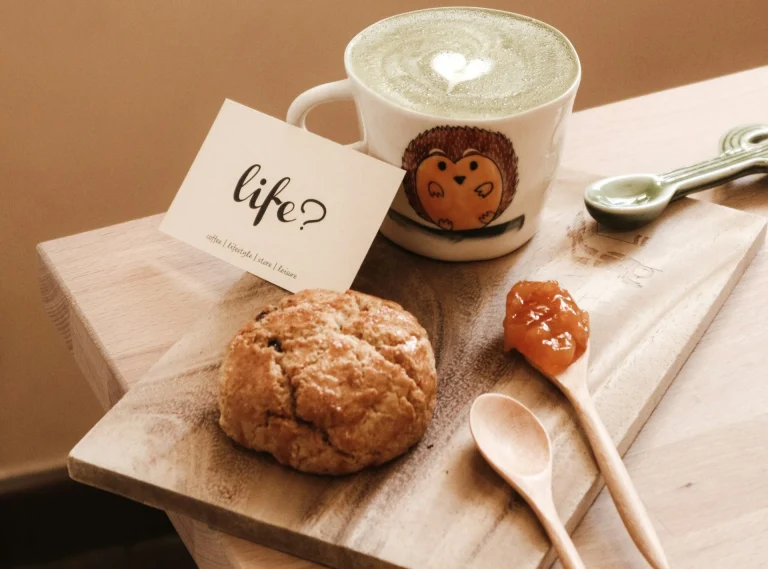
Can your breakfast ritual become a short tutorial that sparks someone’s creativity? Can your evening walk with your daughter become a photo diary – a way to see your neighbourhood with fresh eyes? Can the lecture you gave today become a podcast next week – reaching students beyond your own?
Haruki Murakami, in What I Talk About When I Talk About Running, reflects on the rhythm of repetition – how running isn’t just exercise, but a narrative. Each step and breath becomes part of something bigger. Writing works the same way. So does teaching. So does life.
There is magic in the mundane – if you let it echo beyond the moment.
We often chase legacy as if it must be big. But what if it’s layered instead? What if legacy lies not in how large your action is, but in how long it lasts? You don’t need more time. You need more depth in what you already do.
So tomorrow morning, when you return to your routine – your usual email, your usual work, your usual walk – ask yourself: What if this lived twice?
And then let it.
The views expressed here are the personal opinion of the writer and do not necessarily represent that of Twentytwo13.