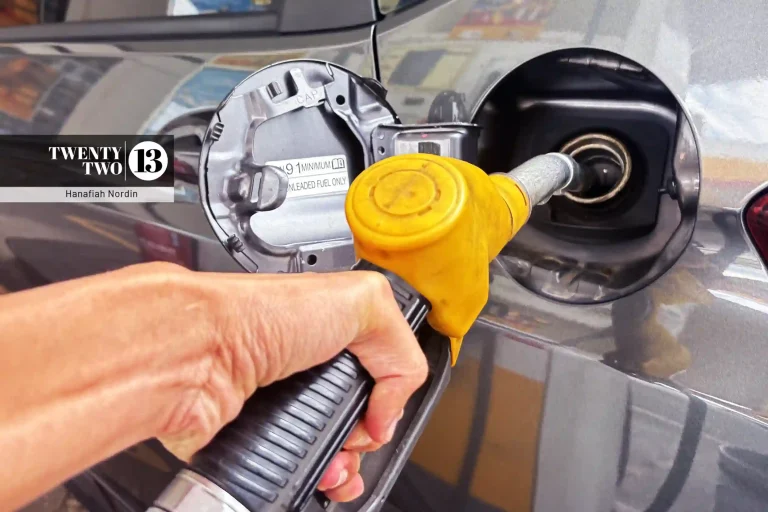
Every time global oil prices lurch up or down, Malaysians brace for impact. We feel it at the petrol pump, in our electricity bills, and in the rising cost of groceries.
But a study by economists from Universiti Malaya, published in the International Journal of Energy, went deeper than the usual complaints about fuel prices. Its findings are a stark reminder that Malaysia’s economic sectors are not affected equally when oil shocks hit. Some bleed. Others barely bruise. And the government’s instinct to subsidise everything? That may actually be making matters worse.
Consider the industrial sector – the factory floor of Malaysia. The researchers found that it is the most severely affected by oil price hikes. The reason is simple: industry runs on energy. When oil prices surge, production costs escalate sharply, from raw materials to logistics.
Factories are then forced into a harsh choice – absorb the costs and shrink profit margins, or pass them on to consumers. Either way, output declines, hiring slows, and the economy begins to sputter. The study confirms what many plant managers already know: oil is not merely a cost, it is a throttle on industrial growth.
But here is the twist. The study found that the agricultural sector – oil palm, rubber, and paddy cultivation – barely flinches. At first glance, this seems odd. Tractors require diesel, and fertilisers are often petroleum-based.
Yet the researchers argue that agriculture in Malaysia is less energy-intensive than industry and, perhaps more importantly, farmers have fewer alternatives to move away from oil dependency. As a result, they absorb the shock without a collapse in output. That is not resilience – it is rigidity.
Then there is the transport sector. Unsurprisingly, it is the second most vulnerable. Malaysia’s dependence on cars and sprawling supply chains means higher oil prices quickly translate into more expensive freight and passenger transport.
But the study also highlights an uncomfortable truth: the pain felt by the transport sector rapidly becomes everyone else’s pain. A lorry driver paying significantly more for diesel does not merely suffer reduced margins – the increased cost is eventually reflected in the price of every item being transported.
Inflation, in other words, becomes a truck driver’s fever spreading through the wider economy.
So what lessons should policymakers draw from this?
First, stop pretending that broad subsidies are the answer. Blanket fuel subsidies are an expensive and inefficient way to protect the industrial sector. They delay necessary adjustments and encourage overconsumption.
Instead, Malaysia should provide targeted support to the most vulnerable industries, particularly manufacturing, while simultaneously pushing them to reduce their dependence on oil. This means serious incentives for energy efficiency, greater adoption of renewable energy in industrial parks, and finally making public transport a genuine alternative.
Second, Malaysia needs to rethink its export structure. The study notes that Malaysia remains a net oil exporter, meaning price hikes do increase revenue for Petronas and the government.
But that windfall is temporary and unevenly distributed. While the treasury enjoys a brief boost, the industrial sector continues to bleed. That is not a strategy – it is a rollercoaster ride.
Finally, the social dimension cannot be ignored. When transport and industrial costs rise, lower-income groups are hit hardest. Although the study does not focus extensively on this aspect, the implication is obvious: oil shocks are regressive.
Any policy response must therefore include direct cash transfers or targeted assistance, rather than relying solely on macroeconomic adjustments.
The central message is simple but powerful: an oil price shock is not a single wave hitting all shores equally. It is a series of sharp, selective jabs. Industry buckles. Agriculture remains standing, but stagnant. Transport develops a fever.
And the government? It can either continue handing out plasters or finally build an economy that does not panic every time a sheikh sneezes.
Seven years after the study was published, and in a world increasingly shaped by geopolitical volatility and energy transitions, those lessons are more urgent than ever.
Read the paper. Then ask your MP: which sector is the government actually protecting?
There is no denying that the shift to targeted subsidies can be politically difficult. But the reality is that blanket subsidies are never good for the economy in the long term. In fact, fuel subsidies run counter to the global push towards a vibrant carbon market.
Is Malaysia prepared to be left behind in the emerging carbon economy?
The views expressed here are the personal opinion of the writer and do not represent that of Twentytwo13.