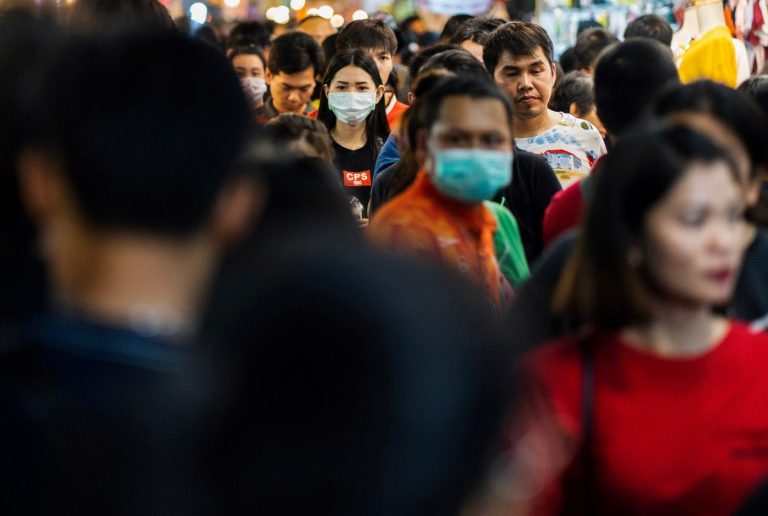
Malaysia recently experienced a noticeable surge in influenza infections, particularly among young children and school-aged students, including those in childcare centres. Although the impact was not as severe as the SARS-CoV-2 (Covid-19) pandemic we experienced a few years ago, it nevertheless disrupted daily routines for many families.
From a public health perspective, the recent outbreaks also led to temporary closures of several educational institutions, including MARA Junior Science Colleges. These measures reflect an encouraging development: society has become more familiar with public health practices aimed at breaking chains of transmission, particularly for respiratory infectious diseases.
However, influenza remains a complex and evolving threat. One of the main reasons lies in the virus’s remarkable ability to mutate.
Why influenza mutations matter
Influenza viruses, especially type A, are known for their high mutation rates. These mutations occur mainly through two mechanisms.
The first is antigenic drift, which involves gradual changes in the virus’s surface proteins – haemagglutinin (HA) and neuraminidase (NA). The second is antigenic shift, a more dramatic process in which genetic segments from different viral strains combine to create an entirely new subtype.
It is this second mechanism that poses the greatest risk to public health.
One major consequence is reduced vaccine effectiveness. Each year, the World Health Organisation (WHO) predicts which influenza strains are most likely to circulate and recommends them for seasonal vaccines. However, viral mutations can sometimes outpace these predictions.
For example, during the 2022–2023 influenza season, mutations in the A(H3N2) strain reduced vaccine effectiveness to around 30-40 per cent in some regions. This contributed to increased hospitalisations, particularly among vulnerable groups such as children, older adults and individuals with weakened immune systems.
Another concern is the potential for global outbreaks. Antigenic shift can generate entirely new viral subtypes against which humans have little or no immunity. The 2009 H1N1 pandemic, which emerged from a genetic reassortment of influenza viruses from pigs, birds and humans, infected more than 1.4 billion people worldwide and caused an estimated 151,700 to 575,400 deaths.
Mutations can also influence how severe the disease becomes. For instance, the avian influenza strain A(H5N1) has a fatality rate of around 60 per cent among infected humans, although human-to-human transmission remains limited.
Challenges in responding to influenza mutations
One of the major challenges in controlling influenza is the time required to produce vaccines. Traditional influenza vaccines are produced using egg-based technology, a process that typically takes four to six months. This timeline can lag behind the virus’s rapid mutation cycle.
Although newer platforms such as mRNA vaccines promise faster development, global access remains uneven. For many middle-income countries, including Malaysia, cost and cold-chain requirements still present barriers to widespread use.
Another challenge lies in surveillance and early detection. Tracking influenza mutations effectively depends on strong global monitoring systems. Malaysia operates an influenza surveillance network through the Ministry of Health, but limited resources can restrict the country’s genomic sequencing capacity.
In 2023, only about 30 per cent of influenza-positive samples in Malaysia underwent full genomic analysis. This limits the ability to detect emerging variants early and respond promptly.
Drug resistance also poses a growing concern. Overuse of antiviral medications such as neuraminidase inhibitors, including oseltamivir, has contributed to the emergence of resistant viral strains.
One way to understand this is to imagine a virus ‘changing clothes’ to evade detection. Just as a person might replace a stained shirt with an entirely different one, the virus can alter its genetic features through mutation, effectively disguising itself from the immune system or medical treatments. A study conducted in Malaysia in 2021 found that around 12 per cent of A(H1N1)pdm09 isolates showed reduced susceptibility to oseltamivir, complicating treatment options during outbreaks.
Strengthening Malaysia’s preparedness
To better manage influenza risks, several strategies deserve attention.
First, surveillance systems should be strengthened. Expanding genomic sequencing infrastructure could increase the proportion of analysed samples to at least 50 per cent by 2025, enabling real-time monitoring of viral mutations.
Second, vaccination uptake must improve. Expanding free influenza vaccination programmes for vulnerable populations would significantly reduce severe cases. In 2023, vaccination coverage among Malaysians aged 65 and above was only around 45 per cent. Increasing coverage to 70 per cent could potentially prevent up to 25,000 hospitalisations each year.
Third, regional research collaboration should be expanded. Partnerships with organisations such as the Asean Public Health Emergency and Emerging Diseases Centre could help develop more affordable and heat-stable vaccines suitable for tropical climates. Such initiatives would reduce dependence on imported vaccines and strengthen regional preparedness.
Staying ahead of an evolving virus
Influenza mutations will continue to pose challenges for public health systems worldwide. Addressing these risks requires proactive and adaptable strategies.
For Malaysia, strengthening surveillance, accelerating vaccine innovation and investing in resilient public health infrastructure will be essential. By prioritising these efforts, the country can better protect its population while contributing to global influenza preparedness.
Dr Muhammad Amir Yunus is a Lecturer in Virology at the Department of Biomedical Science, Advanced Medical and Dental Institute, Universiti Sains Malaysia (USM).
The views expressed here are the personal opinion of the writer and do not necessarily represent that of Twentytwo13.