On Oct 8, in Kuching, three names put pen to paper on a framework agreement to develop artificial intelligence (AI) infrastructure in Sarawak.
One was SoftBank, the Japanese investment giant. Another was Grab, the ride-hailing company turned regional technology platform. The third was Petros, Sarawak’s state-owned oil and gas company.
Broadly, the plan is to position Sarawak as a hub for the large data centres that power AI, drawing on the state’s hydroelectricity and gas to supply them. Sarawak has been discussing a Kuching AI Data Campus and positioning itself as a regional AI destination.
The initiative is being presented as the future arriving: progress, jobs and Malaysia taking its place at the top table of the AI age. Some of that promise is real.
A country that wants to matter in this century cannot afford to sit out the technological revolution. Sarawak has substantial hydropower resources to offer, and it is better for Malaysia to be part of these discussions than to be shut out of them.
But what, exactly, is a data centre?
The term conjures images of modern factories humming with well-paid local engineers – facilities capable of transforming an entire town. The reality is rather different.
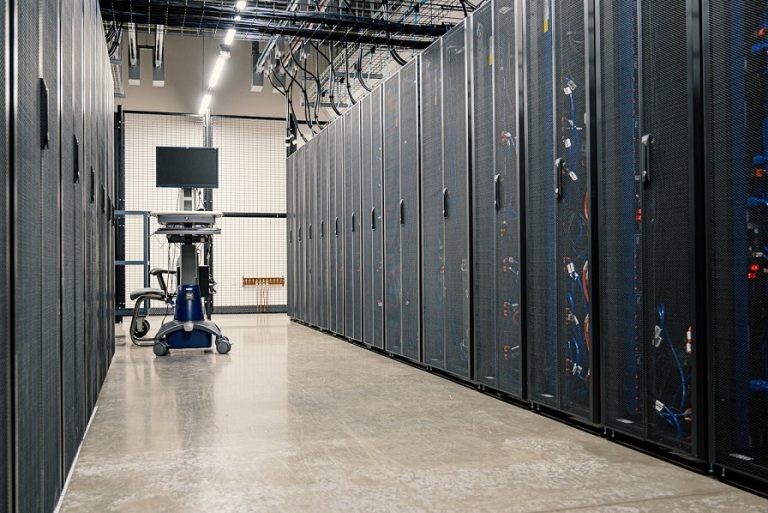
A data centre is a large, highly secure facility filled with computers. It consumes enormous amounts of electricity and water to keep its equipment running and cool. Once operational, it employs relatively few people, often only a few dozen to manage a facility worth billions. It is among the most capital-intensive and least labour-intensive investments a country can host.
Herein lies the tension. These facilities consume substantial amounts of electricity and water, both finite resources, yet generate relatively few jobs. They also primarily serve AI operations run by companies headquartered elsewhere. The computing takes place here, but much of the profit and ownership remain elsewhere.
The government has already recognised the pressure. In February, the prime minister announced a freeze on approvals for new data centres unrelated to AI, citing concerns about electricity and water consumption.
Johor, which has become one of the region’s busiest data centre corridors, has tightened rules governing how much water and electricity these facilities can consume. Malaysia is already feeling the cost of hosting the world’s computers. This is not a hypothetical concern; it is happening now.
The timing of last week’s announcement is also difficult to ignore. In the same fortnight that the haze reminded us how vulnerable our air quality and shared regional resources are, Malaysia moved towards hosting more of the world’s most resource-intensive computing infrastructure. The point is not to equate the two developments, but to recognise the question they share: how carefully are we managing the finite resources this land provides?
So what is the real question for Malaysia?
It is not whether to join the AI age. We should, and we are. The question is what kind of participant we intend to be.
In one scenario, Malaysia becomes a genuine partner. Hosting these centres brings meaningful ownership, transfers valuable skills to Malaysian workers, enables local companies to move up the value chain and ensures electricity and water are properly valued, with the country receiving a fair return for the resources it provides.
In another, easier and more flattering scenario, we offer our land, rivers and electricity at a discount, host someone else’s machines, collect modest rental income and call it progress.
The difference between these futures is not the technology. It is how firmly we negotiate and how clearly we understand what we are trading away.
A data centre is not a gift. It is a transaction. Investors bring the money and machinery; Malaysia provides the land, electricity and water. A good deal leaves both parties better off, with Malaysia retaining meaningful value. A poor one leaves us little more than a quarry for the digital age, a place from which others extract what they need while we bear the costs.
It is too early to know which outcome this agreement will produce. These are preliminary frameworks for exploring opportunities, not completed deals. That is precisely why the questions must be asked now, while the terms are still being negotiated. Once construction is complete and the machines are running, Malaysia’s bargaining power may diminish, leaving the country tied to commitments that could last for decades.
So I would ask this of those negotiating on our behalf, and of all of us who will live with the consequences: do not be dazzled by the word AI into forgetting the oldest questions in any deal. What are we giving? What are we getting? Are we surrendering something precious and finite in exchange for rental income that looks generous today but may seem meagre 20 years from now?
Build the Silicon Island, by all means. But make sure it belongs to us, rather than merely being built on us.
The views expressed here are the personal opinion of the writer and do not represent those of Twentytwo13.