
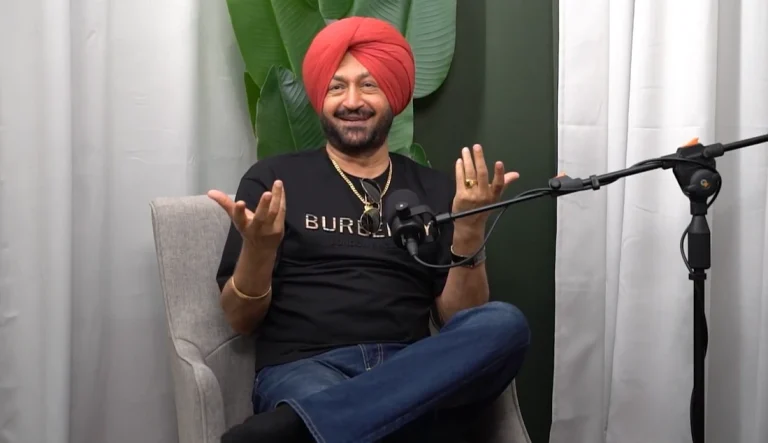
KUALA LUMPUR: Malkit Singh is a bhangra superstar unlike any other. While many remember him for his string of hits in the 1990s, the “King of Bhangra” has also managed to win over a younger generation of music fans.
And according to Malkit, the secret to remaining relevant is simple — evolve with the times.
“Many artists from my generation were left behind because they did not keep up with the times and did not evolve musically,” Malkit said in an exclusive interview with Sama Sama Oye, Malaysia’s first Bollywood and Punjabi digital radio station.
“Our singing style can remain, but we can still change musically. I had a slight advantage because I lived in Birmingham, which was the capital of bhangra music. I used a lot of beats from there.”
Malkit said the same mindset guided him during the Covid-19 lockdown period when he focused on creating songs that younger listeners could connect with.
“I write the songs first, then comes the composition, and I make them easy to sing along to.”
That approach led to his 2022 hit Kali Ainak.
“Even five-year-olds were singing it,” he joked.
Malkit first rose to international fame in the 1990s with hits such as Tutak Tutak Tutiya and Gur Nalo Ishq Mitha. His song Jind Mahi was also featured in the British football-themed film Bend It Like Beckham.
He also became the first Indian artist to receive the Member of the Order of the British Empire (MBE) honour from Queen Elizabeth II.
But Malkit’s rise to fame was far from easy.
Originally from Jalandhar in Punjab, India, he moved to the United Kingdom in 1984 and worked in a jeans factory while recording music and performing on the side.
“Unlike the newer generation of artists, some release two songs and think they are already big stars who will get plenty of shows,” he said.
“But I kept my full-time job even after Tutak Tutak Tutiya became a hit.
“It was not easy getting leave for tours,” he added with a laugh.
Eventually, Malkit left his factory job to pursue bhangra music full time.
He also recalled being advised to remove his turban while living in England to avoid racial discrimination.
“But I had strong faith in God. I started with a turban and today it is my identity,” said Malkit.
“People thought you could not become famous while wearing a turban. But when Tutak Tutak Tutiya became a huge hit in the 1990s, artists in the UK also began wearing turbans and gained more confidence.”
Malkit said he was especially proud to see younger Punjabi artists embracing their cultural identity.
“Today, many boys are wearing turbans again, and I am proud of that. I am really proud of Diljit (Dosanjh) and our younger generation who wear turbans,” he said.
Malkit, who performed at Vaisakhi Fest 2026 on April 18, said he hoped to return to Malaysia “this year or next year for a proper tour”.
Here’s Malkit’s full interview with Gina Dhaliwal of Sama Sama Oye:


