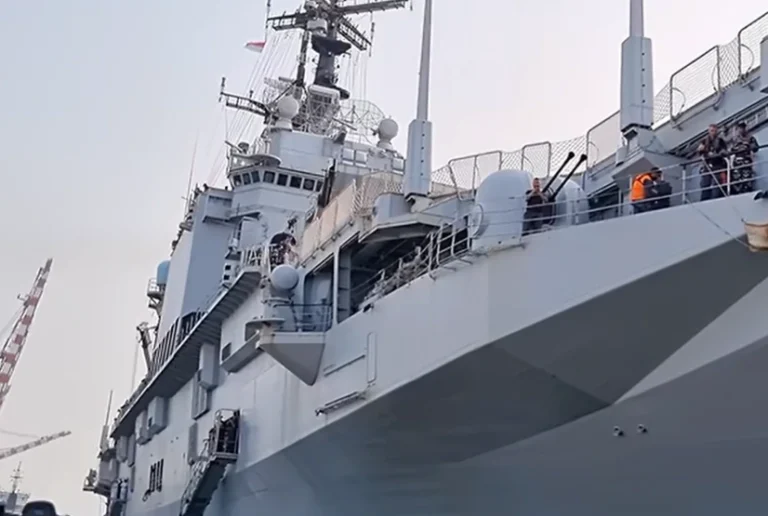
On Sept 18, a 41-year-old former Italian warship sailed into Jakarta to a military welcome. Gifted rather than bought, it was greeted with genuine ceremony. A nation of thousands of islands, finally with a carrier of its own.
Then came the fine print. Italy retired the ship in 2024, and giving it away saved the country the cost of scrapping it. Indonesia had already approved about US$450 million for the programme, while its Defence Ministry estimated the refit could cost another US$450 million.
A free ship could therefore cost nearly US$1 billion to make operational. Indonesian strategic institutes have publicly questioned whether that money would be better spent on frigates.
This is not about judging a neighbour. Every nation faces the same temptation – ours included.
We are good at buying. We are far less good at keeping.
Look around. The grand stadium that hosted one tournament now sits half-used, its seats fading. The government app launched with a minister and a ribbon, then broke down within a year. The new highway has no budget for the potholes it will develop. The training centre opened with fanfare but no plan for maintenance beyond year three.
We know how to cut ribbons. We are strangely allergic to the work that follows.
There is a warning in this story. The only other carrier in our region has, by many accounts, spent much of its life tied up in port. Buying a ship and sustaining it are different promises. The purchase is one proud day. The upkeep is 10,000 ordinary ones.
Why do we do it? The answer is uncomfortable.
A launch delivers a photograph. A ribbon delivers a headline. A grand purchase lets a leader stand before something large and gleaming, claiming a visible achievement.
Maintenance offers none of that. Nobody holds a press conference to announce that drains were cleared, software patched or a ship returned to sea as planned. Public life rewards the opening and forgets the keeping.
There is a cultural dimension, too. We love symbols of arrival. After centuries of being told we were followers, we feel the pull to buy what says we have caught up. The carrier. The tower. The mega-event. The ancient hero’s name on a modern hull.
We use past glory to dress up present-day purchases, when the harder, prouder path is to build something new and maintain it so well that it needs no borrowed grandeur.
So what should we take from this?
Not whether one neighbour should have accepted one ship. That is theirs to debate, and they are doing so openly.
The question is for us.
What are our carriers? Which projects did we choose because they photograph well, only to leave them unfunded after the opening? Which ribbon are we preparing to cut without a budget line for year five?
A nation is not measured by what it can buy in a good year. Anyone with a cheque can buy. It is measured by what it can keep working after the crowds and cameras have gone home.
That is the unglamorous truth. Lasting strength is not bought at a ceremony. It is earned through years of upkeep that nobody applauds.
We are good at ceremonies. The real test, across the region, is whether we learn to value maintenance just as much.
I suspect we know the answer. The question is whether we are willing to change it.
The views expressed here are the personal opinion of the writer and do not represent those of Twentytwo13.