
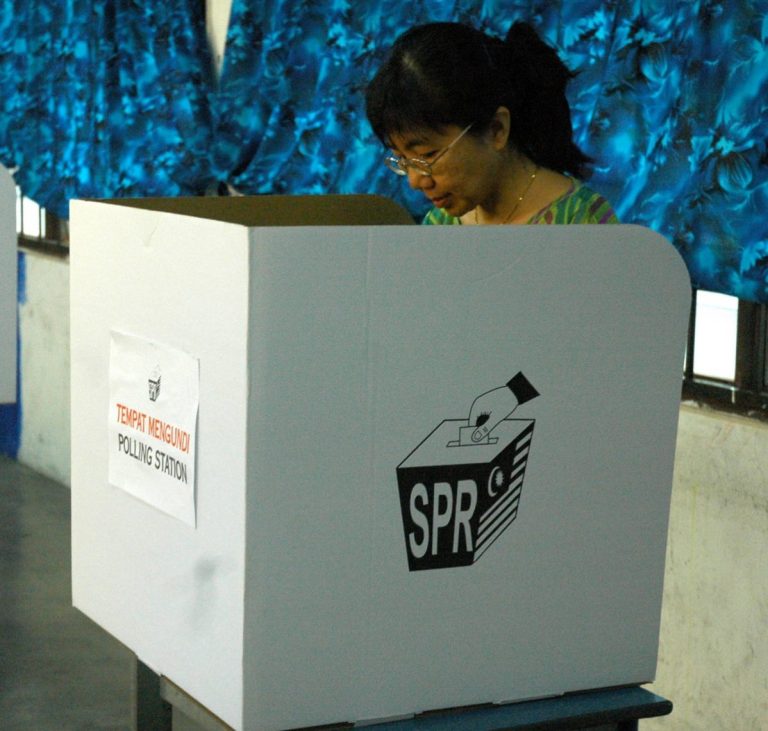
KUALA LUMPUR: Malaysia could be edging closer to an early general election as the mounting cost of living pressures and escalating political tensions within Parti Keadilan Rakyat (PKR) converge to test the resilience of Datuk Seri Anwar Ibrahim’s Madani administration.
At the heart of the concern is a familiar and decisive trigger – rising prices.
The prolonged instability in the Middle East, particularly disruptions linked to the Strait of Hormuz, has pushed crude oil prices sharply higher, setting off a chain reaction that is expected to hit Malaysian consumers in the coming months.
Industry players, from tour operators to food manufacturers and sundry goods traders, have warned that higher fuel costs will inevitably translate into more expensive goods and services.
Petroliam Nasional Bhd (Petronas) said it is closely monitoring the situation, noting that crude prices have surged significantly since the conflict began, driving up shipping costs, insurance premiums and broader logistical expenses.
Despite being an oil-producing nation, Malaysia remains exposed, with nearly 40 per cent of its crude requirements transiting through the Strait of Hormuz. Economy Minister Akmal Nasrullah Mohd Nasir has cautioned that any sustained increase in oil prices will ripple across industrial energy costs, electricity generation and household spending.
The political implications are clear. Rising prices are among the most potent triggers of voter dissatisfaction, and no government willingly heads into an election when household finances are under strain.
Even gains such as a strengthening ringgit or increased investments, risk being overshadowed if daily essentials become more expensive.
Compounding this economic pressure is a growing perception of instability within PKR, the backbone of the ruling coalition. The departure of Datuk Seri Rafizi Ramli from the Cabinet has exposed deeper fractures within the party, with competing factions and shifting alliances increasingly playing out in public.
Criticism of Rafizi has also intensified within party ranks. Sarawak PKR secretary Mahmud Epah said Rafizi’s recent statements and actions reflect a pattern that is damaging the party’s image and undermining the principles of Reformasi. He warned that continued internal polemics could erode public confidence in PKR’s credibility, stressing that Malaysians are looking for stability, not prolonged internal disputes.
The tensions are not merely rhetorical. Political manoeuvring at the constituency level, including developments in Ampang and neighbouring Pandan, has fuelled speculation about candidate positioning and leadership strategy ahead of the next election. Such signals, while subtle, point to a party already preparing for electoral contingencies.
Taken together, the twin pressures of rising living costs and internal political strain present a difficult calculation for Anwar. Calling an early election carries risks, particularly if voters feel the pinch of inflation. Delaying, however, could allow both economic dissatisfaction and internal divisions to deepen further.
This uncertainty is further complicated by broader electoral considerations. There have been persistent whispers of multiple election windows – from mid-year to the first quarter of 2027 – as well as questions over whether state polls in Melaka and Johor should be aligned with a federal election to reduce costs and voter fatigue.
Ultimately, the path forward hinges on whether the government can stabilise both the economic narrative and its internal cohesion. Failure on either front risks reinforcing a perception of drift – one that could make an early return to the ballot box not just possible, but inevitable.


