
Have you heard of medical social workers? While doctors and nurses are celebrated as the frontliners of Malaysia’s healthcare system, this quieter group of people plays a crucial yet often overlooked role.
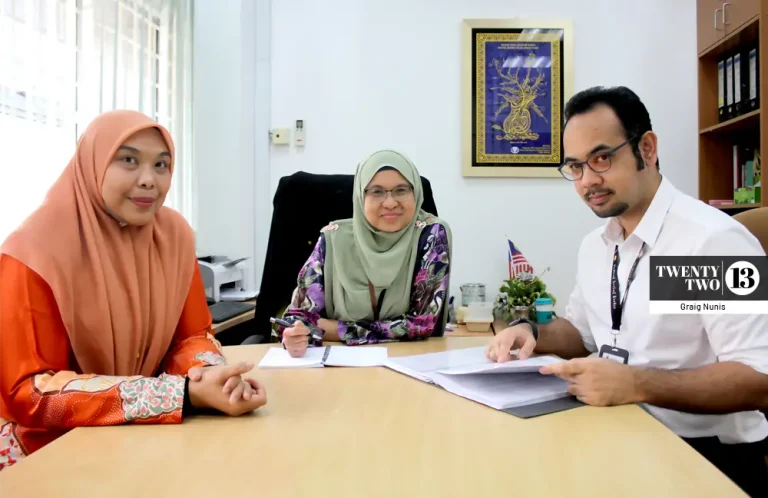
Fatimang Ladola, Nor Anida Nawawi, and Mohamed Afiq Mohamed Fauzi are three medical social workers who provide emotional, social, and practical support to patients and families facing the challenges of illness, injury, or long-term care.
“Our duties range from helping families understand medical procedures to arranging financial assistance, home care, and counselling services. People often overlook us, but we do play an important role,” said Fatimang, who heads the Medical Social Work Centre at University Malaya Medical Centre in Petaling Jaya, Selangor.
“Part of our job is assessing how a person’s health condition affects their family, employment, housing, and mental wellbeing. We then find ways to help them manage those challenges.
“We also advocate for patients’ rights, assist with end-of-life care, and work closely with doctors, nurses, and community agencies to provide holistic support.”
She said that at times some patients decide to forego treatment as they cannot afford it.
“We have to make them understand that they need medical attention, and we will try to help them work out how they can pay for the treatment,” she said. “We also speak about the importance of health insurance, for them and their family.”
A medical social worker for the past 28 years, Fatimang said people assume social work is limited to welfare or child protection.
“However, we also deal with complex health and emotional issues and financial difficulties. We are part of the healing process,” said Fatimang. “It can be heartbreaking at times, and certainly overwhelming as we need more medical social workers not just in our hospital, but all over Malaysia.”
What ties Fatimang, Nor Anida, and Mohamed Afiq together is a desire to lend a helping hand.
The trio had previously urged the government to widen the scope of the long-awaited Social Work Profession Bill, which is expected to regulate social workers only outside the public sector. They warned that excluding social workers in the public sector from the Bill would have a detrimental effect.
Nor Anida dreamt of becoming a doctor when she was young, but fate led her to a different field – psychology.
However, becoming a medical social worker means she is right where she has always wanted to be.
“This is my fate. Although I didn’t become a medical doctor, I am still helping patients as a medical social worker,” said the 46-year-old, who has been a medical social worker for 22 years.
“We have to keep up to date on medical terms as we have to understand what the doctors are telling the patients, as only then can we know how to help them.
“There must be trust between the medical team and us. By working together, we can make it easier for our patients.”
Nor Anida’s background in psychology has proved invaluable as she helps patients manage the emotional and psychological stress that often accompanies medical conditions.
“Sometimes the hardest part is the fear, anxiety, and feeling of being alone,” she said. “That’s where we come in.”
Mohamed Afiq, meanwhile, never wanted to become a doctor, although that was what his family wished for him. Coming from a family of volunteers, however, ingrained in him the need to help others.
“I used to help my parents and grandparents in their charity works, so the passion to help has been with me since I was little,” said the 38-year-old.
“It’s been 11 years since I got this job, and it has been challenging and rewarding at the same time, and I won’t change it for anything in the world.”
As Malaysia moves towards a more integrated healthcare model, the role of medical social workers will only become more significant.
People like Fatimang, Nor Anida, and Mohamed Afiq will ensure that patient care addresses medical needs and the human side of healing.
Malaysia’s Social Work Profession Bill, in development since 2010, aims to regulate and professionalise the social work industry.
Yet, despite the pivotal role of social work and social workers in nation-building for over seven decades, the profession and the services provided remain neither regulated nor legally recognised.
Malaysia is among the last countries in Southeast Asia without such legislation. The profession is already regulated in neighbouring nations such as the Philippines, Singapore, Thailand, and Indonesia.
Main image: Nor Anida (left), Fatimang (centre), and Mohamed Afiq, provide emotional, social, and practical support to patients and families facing the challenges of illness, injury, or long-term care.


