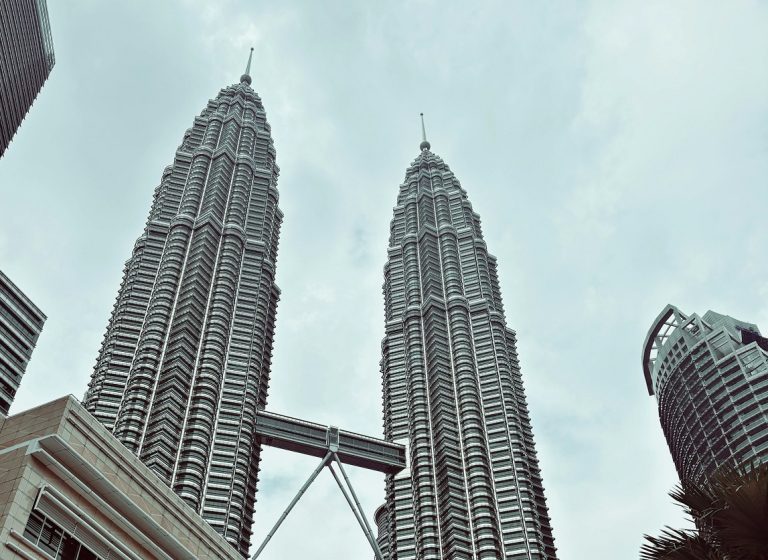
The story of Petronas is, at its core, one of national foresight. In the early 1970s, amid regional hesitancy and complex negotiations over oil royalties, a pivotal decision was made – to pool sovereignty and create a unified federal champion.
The result transformed Malaysia’s economic trajectory. Petronas provided scale, expertise, and bargaining power, ensuring the nation and its oil-producing states maximised returns from a finite resource. Its dividends helped build modern Malaysia.
Today, as the world shifts towards green technology, that lesson remains relevant. Rare earth elements (REEs) are the “oil” of the 21st century, essential for electric vehicles, wind turbines, and advanced electronics. Malaysia – particularly Kedah, Perak, Kelantan, and Pahang – holds significant non-radioactive deposits.
Yet as a national strategy takes shape, familiar tensions between federal and state interests are resurfacing. States are right to be cautious. Environmental concerns, equitable revenue sharing, and autonomy over resources are legitimate issues that must be addressed, not dismissed.
The question is not whether to develop REEs, but how to govern them so all of Malaysia benefits. A fragmented, state-by-state approach risks a race to the bottom – inconsistent standards, weakened bargaining power, and the danger of remaining a raw material exporter.
A new model is needed.
First, governance must be reinvented rather than replicated. A wholly federal entity may no longer be viable. Instead, a National Rare Earth Corporation (NREC) could be structured as a joint-venture holding company.
The federal government would retain a controlling stake to ensure strategic direction, while resource-bearing states would hold equity proportional to their deposits and activity. This would shift states from passive royalty recipients to active stakeholders in long-term value creation.
Second, revenue must be transparent and multi-layered. A clear framework should include state royalties on gross production, dividends from corporate profits, and a dedicated development fund for infrastructure, education, and healthcare in resource states.
This broadens the conversation from percentages to shared prosperity.
Third, operational oversight must be shared. The NREC board should include state representatives, supported by a joint federal-state regulatory council to enforce strict environmental, social, and governance standards.
This ensures accountability while allowing states to act as co-guardians of their resources.
Fourth, Malaysia must prioritise the full value chain. Beyond extraction, the focus should include processing, manufacturing, and recycling.
This would generate high-value jobs, build industrial clusters, and transform resource extraction into a driver of technological growth.
State resistance should not be viewed as an obstacle, but as a critical input in designing a fairer system. The federal government must lead through partnership, not imposition, building trust into the structure itself.
The Petronas experience shows that unity in strategy can drive national prosperity. The rare earth opportunity offers a chance to refine that lesson – to build a model grounded in equity, transparency, and shared stewardship.
Malaysia’s green energy future will depend not just on what lies beneath its soil, but on how wisely it is managed.
The views expressed here are the personal opinion of the writer and do not represent that of Twentytwo13.