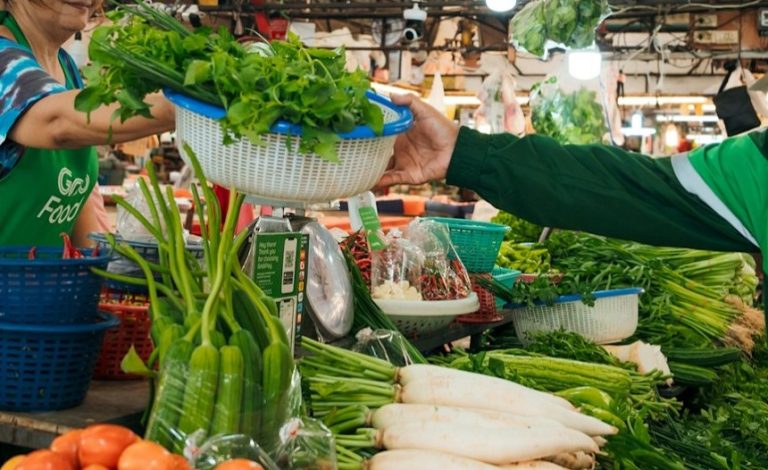
Muhammad Nur Iman Aminunnajmi and his mother Julaidah Mohd Po’at have been running Barangan Kering Julaidah, a stall selling groceries and household supplies at Pasar Tani Kekal Permas Jaya in Johor Bahru, for the past five years.
In October 2024, Muhammad Nur Iman and Julaidah ventured into the online space – and there’s no looking back.
“It was exciting to join the digital economy and gain knowledge on new ways of selling,” said Muhammad Nur Iman, who signed up on Grab – an online platform offering services including e-hailing, food and grocery delivery, and digital payments.
“The platform is user-friendly. I quickly became well-versed with the system, and even my mother, who is not digitally savvy, is now comfortable using the mobile application. We used to depend on walk-in customers during weekends. Now we get online traffic every day we operate. Since last year, we have already recorded approximately 12 per cent growth in sales.”
The mother-son duo is not alone. Norlizawati Abdul Sukur, who operates a stall selling vegetables at Pasar Tani Kekal Selayang in Selangor, also joined the platform in May this year.
“Being able to join an existing system was a great help. I didn’t need to build my own e-commerce system or manage logistics. I could just focus my full attention on the provision of goods and making sales,” said Norlizawati, who has been selling vegetables and household items since 1998.
“In the past, I tried other ways to improve sales, as we didn’t get sufficient walk-in customers daily. Now, I have achieved 20 per cent sales growth.”
The sellers are part of Malaysia’s growing digital community, projected to contribute 25.5 per cent to the nation’s gross domestic product (GDP) by the end of this year. The government has been encouraging public-private partnerships to ensure no Malaysian is left behind as the country accelerates its digital transformation journey.
This has led Grab Malaysia to expand its ongoing collaboration with the Federal Agricultural Marketing Authority (FAMA). In support of Malaysia’s agrifood industry, the digitalisation of the new Pasar Tani Kekal Putrajaya will see an additional 18 vendors joining its platform. A Memorandum of Understanding between the company and FAMA was signed on Sept 26 in Petaling Jaya, Selangor.
Since 2023, Grab’s partnership with FAMA has seen almost 300 merchants across more than 30 Pasar Tani and Pasar Tani Kekal nationwide digitalise. This has helped merchant-partners reach a wider pool of potential customers in addition to their regulars.
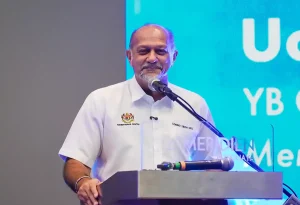
“FAMA is committed to working with partners to optimise complementary capabilities to strengthen marketing and sales avenues for our local agriculture and agrifood businesses,” said FAMA director-general Abdul Rashid Bahri.
“By incorporating modern approaches such as on-demand deliveries, we can continuously improve economic value and income potential for local, traditional market vendors, in turn attracting new participants in this critical sector.”
Tan Jiong Jian, Grab Malaysia’s commercial and deliveries director, said that through its collaboration with FAMA, the company is empowering local businesses.
“The aim is to help them grow by elevating their economic potential, offering wider visibility while making purchasing even more convenient and seamless for consumers. We are proud to play a role in advancing Malaysia’s agrifood industry while supporting the livelihoods of local farmers and vendors,” he said.
Grab, in a statement, said it will also run a Pasar Incubator Project with Pasar Tani Kekal Datin Halimah in Johor Bahru and its vendors to help them grow on its platform. The effort is aimed at enabling local vendors to leverage the various tools and solutions available to them. This includes a curated programme focusing on upskilling vendors through dedicated training to help them thrive.
Efforts to advance Malaysia’s digital economy and the use of digital technology, particularly artificial intelligence, are expected to be revealed during the tabling of Budget 2026 on Oct 10.
On the regional front, Malaysia, as Asean chair this year, is pushing to finalise the Asean Digital Economy Framework Agreement. The agreement is designed to cut through cross-border barriers and give smaller businesses easier access to regional markets through e-commerce.